
servicing ri, ct & ma
How Often Should You Pump Your RV Holding Tank?
We break it all down here so you can stay ahead of odors, clogs, and full-tank surprises before they start. When it's time, we'll come to you and handle it.
The General Rule of Thumb for Tank Pumping Frequency
Most RV owners should plan to pump their black tank every three to five days of steady use, and the gray tank on a similar schedule once it reaches about two-thirds full. Full-time RVers in Bradford often stretch that to once a week if hookups allow, while weekend campers may only need a pump once or twice a season.
There isn't one single number that fits every RV owner, but there is a reliable starting point. As a general rule, you should pump the black tank when it reaches about two-thirds full, which for most households means every three to five days of regular use. Waiting until the tank is completely full can cause backups and odor problems, so it's smarter to stay ahead of the fill line rather than race against it.
Gray water tanks follow a similar rhythm, though they often fill a bit faster because they collect water from the shower and sink. If you're parked at a Bradford campground with full hookups, you might be tempted to leave the valve open all the time, but that causes solids to build up and clog the tank over time. It's better to let the tank fill and then release it in one full flush.
For full-time RVers living in the area, a weekly pump schedule tends to work well, especially during the warmer months when tank contents break down faster and odors show up sooner. Weekend or seasonal travelers usually get by with far less, sometimes only needing service once or twice across the whole camping season, since the tank simply isn't filling up as quickly between trips.
- Number of people using the RV regularly, since more users fill tanks faster
- Tank size, which varies a lot between travel trailers and larger motorhomes
- Access to full hookups versus dry camping without a sewer connection
- How often the RV is occupied throughout the week
- Outdoor temperatures in Bradford, since heat speeds up tank buildup
We've worked with plenty of RV owners around Bradford who assumed they could go a month or more without a pump, only to run into slow drains and bad smells long before that point. The general rule holds up well as a baseline, but your actual habits and hookup situation will shift the timeline in one direction or the other. It's worth checking your gauge every few days rather than guessing, especially during peak travel season when the tank fills faster than expected.
Black Tank vs. Gray Tank: Why They Fill at Different Rates
Most RV owners assume both tanks fill at the same pace, but that's rarely true, and understanding why can save you from an awkward surprise on a road trip through Bradford. Your black tank holds waste from the toilet, and it fills based on how many people are using the bathroom and how often. Your gray tank collects water from the sink, shower, and dishwashing, and it tends to fill faster because almost everything you do in the RV runs through it eventually.
We've serviced RVs parked at campgrounds near Bradford where the owner swore the black tank must be nearly full, only to find the gray tank was the real problem. Showers, dish washing, and even brushing your teeth all add water to that gray tank, and a family of four showering daily can fill it in just a couple of days. The black tank, by comparison, often takes longer to reach capacity because solid waste and toilet paper break down and settle rather than adding constant volume.
Number of people using the RV and how many times the bathroom gets used each day
Shower habits, since long showers push more water into the gray tank than quick ones
Dishwashing frequency, especially if you're cooking meals instead of eating out
Toilet paper type, since some brands break down slower and add bulk to the black tank
Tank size differences, since many RVs have a smaller black tank than gray tank by design
This mismatch matters because if you only watch one tank's gauge, you might pump too early or too late for the other. And that's a mistake we see often with new RV owners who assume one pump-out handles everything. But treating both tanks the same way ignores how differently they fill, and it can leave you with a gray tank overflow even though your black tank gauge still reads half full.
So how does this play out in real life? Picture a couple parked for a long weekend near Bradford, running the shower every morning and washing dishes after every meal. Their gray tank hits capacity by day three, but their black tank barely shows any change because only two people are using the toilet. If they'd only been tracking the black tank gauge, they would have had gray water backing up into the shower before they realized there was a problem.
Knowing this difference helps you plan smarter instead of guessing. Check both gauges regularly, not just the one you assume is filling faster, since assumptions are usually where the trouble starts.
Signs Your RV Holding Tank Needs Pumping
Most RV owners don't think about their holding tanks until something feels off. And that's usually the first clue something needs attention. Your RV gives you warning signs before a tank overflows, but you have to know what to look for. We've serviced enough RVs parked around Bradford to know the pattern repeats itself almost every time.
A sewer smell inside or near the RV, even with the bathroom fan running
Slow draining sinks or a shower that backs up faster than normal
The tank level gauge reading full when you haven't used the RV much
Gurgling sounds coming from drains after you flush or run water
Visible waste or liquid pooling near the tank valve outside the RV
That gurgling sound is one people miss the most. It happens because air is trapped and has nowhere to go once the tank fills close to the top. So the plumbing pushes air back up through the pipes, and you hear it bubble. Most owners assume it's a plumbing issue, but it's almost always a tank that's ready to be pumped.
We had a customer parked near Bradford last summer who noticed a faint smell for almost two weeks before calling. By the time we got there, the tank was well past full and had started to back up into the shower drain. It's a common mistake, and an avoidable one.
Your gauge isn't always accurate either, this is something we hear surprise about constantly. Solid waste can build up on the sensors inside the tank, which makes the reading stick at a certain level even when the tank keeps filling. If your gauge says three-quarters full for weeks at a time, don't trust it blindly. Trust your nose and your drains instead.
If you're noticing more than one of these signs at once, it's worth getting ahead of it before a small annoyance turns into a bigger mess inside your RV. Our team handles RV tank pumping for owners across the Bradford area, and we can usually get out the same week you call.
RV Pump Out FAQs
Common questions about How Often Should You Pump Your RV Holding Tanks? (2026 Guide)
How do I know if I should pump my own tank or call a professional in Bradford?
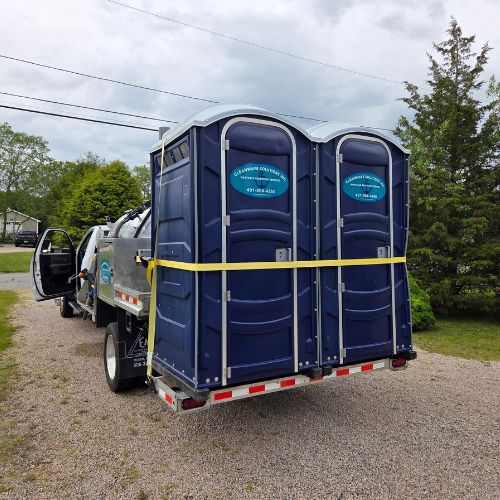
You can pump smaller tanks yourself if you have the right hose, gloves, and a clear dump station nearby. Many Bradford RV owners choose a professional service instead when they are parked at a campsite without easy dump access, or when they want the job done without handling the mess themselves. A professional also checks your gauges and valves while pumping, which can catch small problems early. If you are unsure which option fits your setup, learning more about RV tank pumping can help you decide what works best for your routine.
What is the biggest mistake RV owners make with their holding tanks?
The biggest mistake is leaving the black tank valve open the whole time you are hooked up at a campground. This feels convenient, but it lets liquid drain away while solid waste stays behind and hardens inside the tank. Over time this buildup causes clogs and bad smells that are hard to fix without a real cleanout. The better habit is to let the tank fill most of the way, then release it all at once so the flow carries solids out with it.
Does Bradford's weather affect how often I need to pump my RV tanks?
Yes, warmer temperatures in Bradford speed up how fast waste breaks down inside your tanks, which usually means stronger odors sooner. During the hottest months, many local RV owners pump a few days earlier than they would in cooler weather to stay ahead of smells. Heat also makes gray tank buildup more noticeable, since food particles and soap residue break down faster in warm conditions. Checking your gauge more often during summer trips helps you avoid a surprise backup mid-vacation.
Why does my black tank gauge read full even though I haven't used the RV much?
A stuck or dirty sensor is usually the cause, not an actual full tank. Toilet paper and waste residue can cling to the sensor strips inside the tank, making the gauge think it is fuller than it really is. This is common in RVs that sit for long stretches between trips. Using tank-safe rinsing methods and checking the gauge after a fresh flush can give you a more accurate reading before you decide it's time to pump.
What areas in Rhode Island do you serve?
We proudly serve Southern Rhode Island including Bradford, Hopkinton, Exeter, Richmond, Warwick, Narragansett, North Kingstown, South Kingstown, Jamestown, Charlestown, and East Greenwich.
What's the difference between dry camping and full hookup tank habits?
Dry camping means you have no sewer connection, so both tanks fill up without any way to drain until you reach a dump station. Full hookup camping lets you connect directly to a sewer line, but that convenience only works well if you dump properly instead of leaving valves open. Dry campers usually track their gauges more closely since they cannot pump on demand. Full hookup campers sometimes get careless, which is why understanding proper pumping habits matters no matter which setup you use.

Portable toilet supplier for construction sites, events, and long-term projects in Southern Rhode
Quick Links
Our Services
Contact
CleanWave Solutions, Inc.
185 Alton Bradford Rd
Bradford, RI 02808
Business Hours
Mon - Fri: 8:00 AM - 6:00 PM
Sat - Sun: 10:00 AM - 7:00 PM
© 2026 CleanWave Solutions, Inc. All rights reserved.
Website by Ashley Brown Marketing LLC